
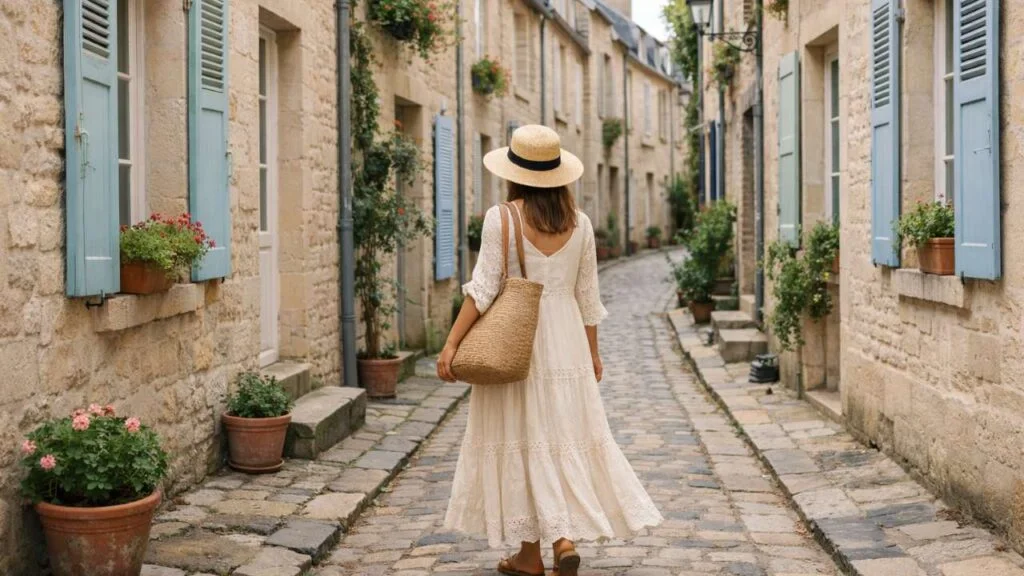
Normandy, France reveals itself most beautifully when you resist the urge to rush. Its towns and cities each move to their own rhythm—some shaped by the pull of the sea, others by centuries of history, soft northern light, or the quiet rituals of everyday life. This is a region where travel feels most meaningful when you slow down and allow places to unfold naturally.
Below are 15 towns and cities in Normandy, France to add to your bucket list—destinations that reward patience, presence, and unhurried exploration. Each one offers a distinct atmosphere and a thoughtful pro tip to help you experience it more deeply, not as a checklist stop, but as a place truly lived in.
1. Rouen — For History That Feels Alive
Rouen is layered rather than monumental. Half-timbered houses lean over narrow streets, churches rise quietly from everyday life, and the Seine moves steadily through the city.
This is a place to wander without direction. History is not confined to landmarks—it exists in ordinary corners, in the way modern life flows gently around the past.
You may also enjoy: Rouen Day Trip from Paris | Medieval Charm in Normandy

Pro tip: Explore Rouen early in the morning or near dusk. The city feels calmer, and its streets reveal their character when daily noise fades.
2. Vernon — A Gentle Riverside Pause
Vernon sits comfortably between city and countryside. Life here unfolds at an even pace, shaped by the river and daily routine rather than tourism.
It’s an ideal base for slow travelers—small enough to feel personal, yet connected enough to feel grounded.
Pro tip: Stay overnight rather than passing through. Vernon’s charm appears in the quiet hours, not during brief daytime visits.
3. Giverny — Stillness Over Spectacle
Beyond its fame, Giverny is a calm, intimate village. Paths, gardens, and surrounding countryside encourage observation rather than movement.
Slow travel here means arriving with patience and allowing silence to shape the experience.
Pro tip: Visit early or late in the day and walk beyond the main areas. The village itself is as meaningful as its reputation.
4. Étretat — Let the Coast Set the Rhythm
Étretat’s cliffs are dramatic, but their impact deepens when seen repeatedly and slowly. The town itself feels secondary to the landscape.
Returning to the same viewpoint at different times reveals how light, tide, and weather transform the experience.
Pro tip: Walk the coastal paths more than once. Morning and evening offer entirely different moods.
5. Le Havre — Space, Light, and Openness
Le Havre feels modern, expansive, and unexpectedly calming. Its wide streets and sea-facing views create room to breathe.
Slow travel here is about scale—long walks, open horizons, and the quiet reassurance of structure.
Pro tip: Focus on walking rather than sightseeing. Le Havre is best experienced through movement and space.
6. Caen
Caen feels grounded and reflective, shaped as much by resilience as by history. Its streets carry a quiet strength—broad avenues softened by daily life, historic stone buildings balanced by green spaces and open air. Rather than feeling frozen in time, Caen feels lived in, its past integrated gently into the present.
Slow travel in Caen is about allowing space. Long walks, unhurried meals, and moments of pause create a deeper connection than rushing between sights. The city reveals itself gradually, through atmosphere rather than spectacle.
You may also enjoy: Caen, France: A City of Quiet Strength and Timeless Beauty

Pro tip: Stay near the center and explore on foot. Caen’s character emerges most clearly when you move slowly and without a fixed plan.
7. Honfleur — Atmosphere Over Agenda
Honfleur’s harbor is intimate and reflective, but its true charm appears away from peak hours.
Buildings mirrored in water, subtle movement, and shifting light define the experience.
Pro tip: Spend time here in the early morning or evening. Avoid structuring your visit around midday crowds.
You may also enjoy: Eguisheim, France: A Fairytale Among French Villages

8. Deauville — Calm Beneath the Polish
Deauville is structured, symmetrical, and open. While often associated with glamour, it becomes peaceful when approached slowly.
Long walks and early mornings reveal its quieter side.
Pro tip: Visit outside peak season or walk the promenade at sunrise to experience its calmest mood.
9. Trouville-sur-Mer — Familiar and Lived-In
Across from Deauville, Trouville feels warmer and more organic. Life here feels continuous rather than curated.
Slow travel fits naturally—days feel flexible, and routines unfold without pressure.
Pro tip: Choose Trouville for dining and evenings. It feels more relaxed and authentic after daytime visitors leave.
10. Bayeux — History Without Heaviness
Bayeux carries its history gently. Streets feel human in scale, and daily life continues alongside the past without interruption.
It’s a town that encourages thoughtful exploration rather than intensity.
Pro tip: Stay near the center and explore on foot. Bayeux rewards slow wandering more than planned routes.
11. Saint-Adresse (Yes, It’s Worth Lingering)
Saint-Adresse deserves more than a passing mention. Its quiet confidence, coastal walks, and residential calm make it ideal for reflective travel.
This is where Normandy feels especially restorative.
Pro tip: Sit by the sea without distractions. This town is about presence, not productivity.
You may also enjoy: Roussillon, France: One of the Most Charming French Towns

12. Granville
Granville feels windswept and self-contained, perched above the sea with a sense of quiet independence. The town’s relationship with the ocean shapes its mood—changing light, open horizons, and a steady rhythm that feels both grounding and expansive.
This is a place where slow travel means paying attention to the elements. Walks feel purposeful yet unhurried. Time stretches differently here, guided by weather and light rather than schedules.
Pro tip: Visit during calm weather and linger along the coast. Granville’s atmosphere is best absorbed slowly, with time to notice how the sea shapes daily life.
13. Fécamp
Fécamp carries a quieter, more introspective coastal energy. Its scale feels human, its streets gently worn, its connection to the sea deeply rooted rather than performative. The town feels honest—unpolished in a way that invites presence.
Slow travel in Fécamp is about rhythm. Days unfold naturally, shaped by routine rather than attraction. There’s a subtle comfort in its consistency, making it ideal for travelers who prefer observation over activity.
Pro tip: Spend time walking without direction. Fécamp reveals its charm not through landmarks, but through repeated, everyday moments.
14. Veules-les-Roses
Veules-les-Roses feels intimate and quietly poetic. A narrow river winds gently through the village, passing cottages, gardens, and footpaths before meeting the sea. The scale is small, the atmosphere calm, and the charm lies in details rather than landmarks.
This is a place where walking becomes the experience. Every turn feels intentional yet unplanned, inviting you to slow your pace and notice how naturally village life blends with the landscape.
Tip: Walk the length of the village from inland to the sea without rushing. Veules-les-Roses reveals its charm gradually, not all at once.
15. Barfleur
Barfleur is shaped by the sea and softened by time. Granite houses line a peaceful harbor, their surfaces worn smooth by salt air and changing light. The village feels honest and enduring, with a rhythm guided by tides rather than tourism.
There is no need to search for highlights here. The beauty of Barfleur is found in repetition—returning to the harbor, watching boats come and go, and letting the atmosphere settle around you.
Tip: Visit early in the morning or near sunset, when the harbor is quiet and the village feels most authentic.
10 Common Mistakes to Avoid When Traveling in Normandy
- Trying to see too much in too little time
Normandy rewards depth, not coverage. Rushing between towns dilutes the experience and creates unnecessary fatigue. - Treating Normandy as a day-trip destination
Many travelers visit briefly from Paris. Staying overnight allows you to experience the region’s true rhythm. - Ignoring smaller towns and villages
Focusing only on famous names means missing Normandy’s quiet charm, where daily life feels most authentic. - Overplanning every hour
Rigid itineraries leave no room for discovery. Some of Normandy’s best moments happen unexpectedly. - Visiting popular places only at peak hours
Early mornings and evenings offer calmer atmospheres and deeper connection. - Underestimating travel time between places
Scenic roads and small routes take longer than expected. Plan with space, not pressure. - Skipping coastal walks
Normandy’s coastline is meant to be experienced slowly on foot, not just admired briefly. - Rushing meals
Food in Normandy is part of the culture. Eating quickly breaks the natural pace of the region. - Changing accommodations too often
Moving constantly disrupts slow travel. Staying in one base allows familiarity and ease. - Expecting constant excitement
Normandy’s beauty is subtle. Slowness, repetition, and quiet moments are the point.
You may also enjoy: 10 Most Beautiful Fairytale Villages in France to Add to Your Bucket List

Why Slow Travel Works So Well in Normandy
Normandy does not perform for visitors. Its beauty is consistent, restrained, and deeply rooted. When you slow down, places stop competing for attention and begin to reveal their individual character.
These towns and coastal destinations belong together not because they are similar, but because they share a respect for rhythm, continuity, and quiet beauty.
Normandy is not meant to be rushed.
It is meant to be noticed.
10 Frequently Asked Questions About Traveling in Normandy
- Is Normandy good for slow travel?
Yes. Normandy’s towns, countryside, and coastline naturally support unhurried, mindful travel. - How many days do you need in Normandy?
Five to seven days is ideal for a slow experience, especially if you focus on one or two areas. - Do you need a car to travel in Normandy?
A car offers flexibility, especially for villages, but trains work well for major towns. - What is the best time of year to visit Normandy?
Late spring and early autumn offer pleasant weather and fewer crowds, making them ideal for slow travel. - Is Normandy suitable for solo travelers?
Yes. Normandy feels safe, calm, and reflective—well suited for solo journeys. - Can Normandy be visited on a budget?
Yes. Smaller towns, local food, and simple accommodations make it accessible. - Is Normandy only about history?
No. While history is present, slow travel highlights food, nature, daily life, and atmosphere. - Are Normandy’s towns walkable?
Most historic towns and villages are compact and ideal for walking. - Can you combine Normandy with Paris?
Yes. Normandy pairs well with Paris, especially Vernon and Rouen, but deserves time of its own. - Is Normandy good for repeat visits?
Absolutely. Different seasons and slower pacing reveal new layers each time.


