
Introduction
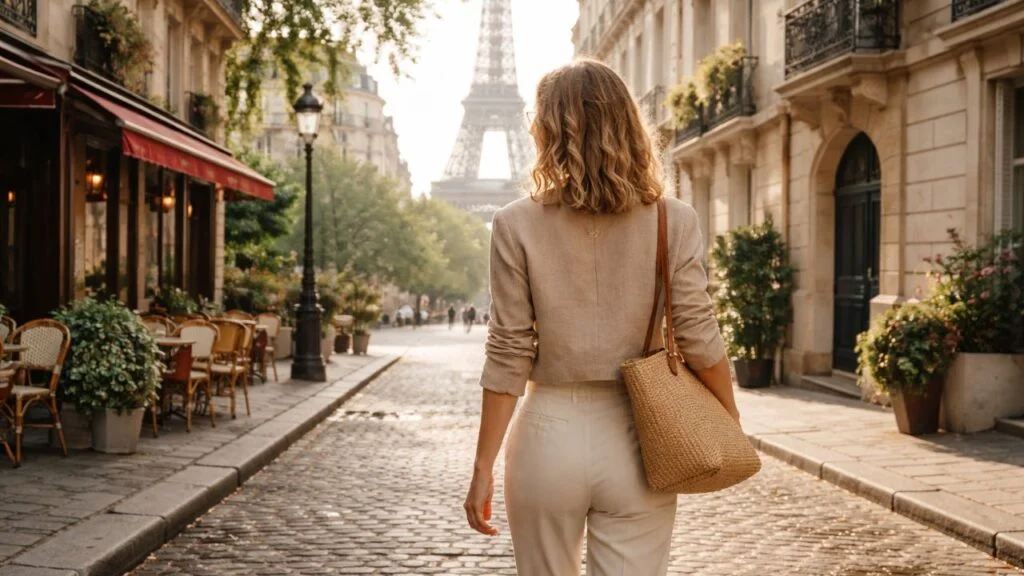
Paris travel is often imagined long before it is experienced.
It exists in fragments—films, photographs, passing references—until the moment you finally arrive and realize that the city does not unfold the way you expected. It’s less immediate, less eager to impress. And yet, slowly, almost quietly, it begins to draw you in.
For first-time visitors, the challenge is not navigating Paris—it’s adjusting to its rhythm. That’s where a thoughtful Paris travel guide becomes less about checklists and more about understanding the city’s pace.
Things move differently here. Meals take longer. Streets invite you to pause. Plans rarely unfold exactly as scheduled. And the more you try to control the experience, the more it resists you.
These travel tips are not just about avoiding mistakes—they’re about helping you move through Paris with a little more ease, a little more awareness, and a much deeper sense of connection. In that sense, this Paris travel guide is designed to help you experience the city more gracefully, not just see it.
If you’re planning your trip in full, begin with this complete Paris travel guide, which connects where to stay, what to see, and how to structure your days seamlessly.
Getting Around Paris: Move Efficiently Without Losing the Experience
Paris is exceptionally well-connected, but how you choose to move through it shapes your experience in ways that aren’t immediately obvious.
Use the Metro Strategically, Not Constantly
The Paris Metro is one of the most efficient transport systems in Europe. It’s fast, frequent, and reaches nearly every part of the city you’re likely to visit.
But the key is not to rely on it for everything.
Use it for longer distances—moving between neighborhoods or reaching attractions that are farther apart. For shorter distances, walking often provides a richer experience.
The metro can feel slightly confusing at first, but it becomes intuitive quickly. Stations are clearly marked, and once you’ve taken a few routes, patterns begin to emerge.
Walk More Than You Think You Should
Walking in Paris is not just a way to get from one place to another—it’s how the city reveals itself.
Distances that appear long on a map often feel surprisingly manageable. And along the way, you encounter moments that aren’t part of any itinerary—quiet streets, unexpected cafés, small details that give the city its texture.
If you’re following a structured 3-day Paris itinerary for first-time visitors, you’ll notice that many key locations are intentionally grouped to allow for walking.
Avoid Over-Reliance on Taxis
Taxis and ride-hailing services are available, but they rarely provide the most efficient way to move through central Paris.
Traffic can be slow, especially during peak hours, and relying on taxis can fragment your day. Use them when necessary—late evenings or when carrying luggage—but not as your primary mode of transport.
Safety Tips: Stay Aware Without Feeling Restricted
Paris is generally safe, but like any major city, it requires a certain level of awareness.
Be Mindful in High-Traffic Areas
Popular attractions such as the Eiffel Tower and the Louvre Museum attract large crowds—and with them, the occasional pickpocket.
The goal is not to be overly cautious, but to be intentional. Keep your belongings secure, avoid carrying valuables loosely, and remain aware of your surroundings.
Recognize Common Tourist Scams
You may encounter situations that feel unusual—someone asking you to sign a petition, offering a bracelet, or attempting to engage you in a way that feels slightly unclear.
These interactions are usually harmless but persistent. A polite but firm refusal, followed by simply walking away, is the most effective response.
Stay Comfortable at Night
Central areas like Le Marais and Saint-Germain-des-Prés remain active and generally safe even in the evening.
However, quieter or less central neighborhoods can feel different after dark. Plan your route back, stick to well-lit areas, and trust your instincts.
Money-Saving Tips Without Compromising Your Experience
Paris can feel expensive—but much of that depends on how you approach it.
Choose Experiences Over Formality
You don’t need high-end restaurants to enjoy Paris.
In fact, some of the most memorable meals come from simple places—a local bakery, a small café, or a casual bistro. These experiences often feel more aligned with the city’s rhythm than formal dining.
Book Key Attractions in Advance
Time is one of your most valuable resources in Paris.
Booking major attractions in advance helps you avoid long queues and allows your day to flow more naturally. It’s less about saving money and more about preserving time and energy.
If you’re deciding what’s worth booking, the top attractions in Paris you shouldn’t miss provides a clear prioritization.
Stay Central, Even If It Costs More
One of the most effective ways to improve your experience is to choose the right location.
A smaller, centrally located hotel often provides a better overall experience than a larger one farther away. Being able to step out and immediately feel connected to the city changes how your days unfold.
The best areas to stay in Paris for first-time visitors will help you make this decision with clarity.
Language Tips: Small Effort, Big Impact
You don’t need to speak fluent French—but a small effort changes the tone of interactions.
Starting with “bonjour” before asking a question shows awareness and respect. It signals that you understand you’re entering a local environment, not just a tourist space.
Most people in central areas speak English, but this simple gesture often leads to more positive interactions.
Common Mistakes to Avoid in Paris
Some of the most common frustrations are not caused by the city—but by how it’s approached.
Trying to Do Too Much
It’s easy to overestimate how much you can fit into a day.
Paris is not designed for speed. Moving between places, waiting in lines, and simply pausing all take time. Overloading your schedule leads to fatigue and reduces the quality of your experience.
A structured 3-day Paris itinerary for first-time visitors helps maintain a natural balance.
Ignoring Neighborhood Exploration
Many visitors focus only on major landmarks.
But Paris is experienced through its neighborhoods—Le Marais, the Latin Quarter, and Montmartre each offer something distinct.
Spending time here often creates a deeper connection to the city.
Not Planning Key Elements
While spontaneity is important, certain aspects—like major attractions—benefit from planning.
Leaving everything open can lead to unnecessary delays and missed opportunities.
Expecting Fast-Paced Service
Service in Paris is intentionally slower.
Meals are meant to be unhurried. Cafés are spaces to sit, not move through quickly. Adjusting to this rhythm improves your experience significantly.
Cultural Tips: Blend In Without Trying Too Hard
Understanding small cultural nuances helps you feel more comfortable.
Keep Things Simple and Polite
Basic politeness goes a long way. A greeting, a thank you, a small acknowledgment—these interactions matter.
Take Your Time in Public Spaces
There’s no expectation to rush through cafés or public spaces. Sitting longer is part of the experience.
Dress Neatly, Not Formally
You don’t need to dress up—but a simple, thoughtful style helps you blend in more naturally.
Bringing It All Together
If there is one overarching principle for visiting Paris, it’s this:
Don’t try to optimize it too tightly.
Plan enough to feel prepared—but leave enough space for the city to shape your experience. The most memorable moments often come from what you didn’t plan.
To see how everything connects—timing, neighborhoods, and itinerary—return to the complete Paris travel guide.
More Paris Travel Guides:
25 Free Things to Do in Paris: The Chic Insider’s Guide
15 Unique Things to Do in Paris You’ll Fall in Love With
10 Most Romantic Things to Do in Paris at Night
10 Most Romantic Gardens in Paris
15 Most Romantic Streets in Paris You’ll Want to Wander Slowly
Christmas in Paris: Best Things to Do This Holiday Season
10 FAQs about Paris Travel for First-Time Visitors
Is Paris safe for first-time visitors?
Yes, Paris travel is generally safe, especially in central areas, as long as you stay aware in crowded places.
What is the best way to get around Paris?
For a smooth Paris travel experience, combine walking with the metro to balance efficiency and atmosphere—an essential tip in any well-rounded Paris travel guide.
Do I need to speak French for Paris travel?
No, but using a few basic French phrases can make your Paris travel interactions more pleasant and respectful.
What is the biggest mistake tourists make in Paris?
One of the most common Paris travel mistakes is trying to see too much in too little time instead of following a slower, more intentional Paris travel guide approach.
Should I book everything in advance for Paris travel?
No, only key attractions should be booked ahead—leave space for spontaneous Paris travel moments, which often become the most memorable.
What is the best time for Paris travel?
Spring and early fall offer the most beautiful Paris travel experience, with mild weather and fewer crowds—something every Paris travel guide quietly emphasizes.
Where should I stay during my Paris travel?
For the best Paris travel experience, choose central neighborhoods like Le Marais or Saint-Germain-des-Prés for both charm and convenience.
Is Paris expensive for travelers?
Paris travel can feel expensive, but choosing cafés, bakeries, and local spots helps balance your budget without losing the experience.
How many days are enough for Paris travel?
A well-planned 3 to 5 days allows you to enjoy Paris travel without feeling rushed, especially when guided by a thoughtful Paris travel guide.
What should I wear for Paris travel?
For Paris travel, opt for simple, polished outfits that feel comfortable yet thoughtfully styled—effortless elegance always fits in.


